WHAT IS A
BACKFLOW
?
Backflow prevention is a critical safeguard designed to protect drinking water from contamination.
When water flows in the reverse direction due to pressure changes, contaminants can enter the potable water system. A properly installed and maintained backflow preventer helps stop that from happening.
-
What Causes Backflow?
Backflow occurs when water reverses direction within a plumbing system due to sudden changes in pressure. These changes are often unpredictable and may be outside the control of the property owner.
There are two primary conditions that cause backflow:
BackpressureDownstream pressure becomes greater than supply pressure—often from irrigation pumps, boilers, or fire protection systems that introduce pressure into the plumbing system.BacksiphonageSupply pressure drops and creates a vacuum that pulls water backward—commonly from water main breaks, firefighting activity, or high system demand. -
Why Backflow Prevention Is Important
Both backpressure and backsiphonage present a serious risk to the potable water supply if proper backflow protection is not installed and maintained.
A backflow preventer protects the public water supply by stopping contaminated water from flowing backward into clean water lines. Sudden pressure changes—such as water main breaks or fire hydrant use—can cause unsafe water to siphon into the drinking supply.
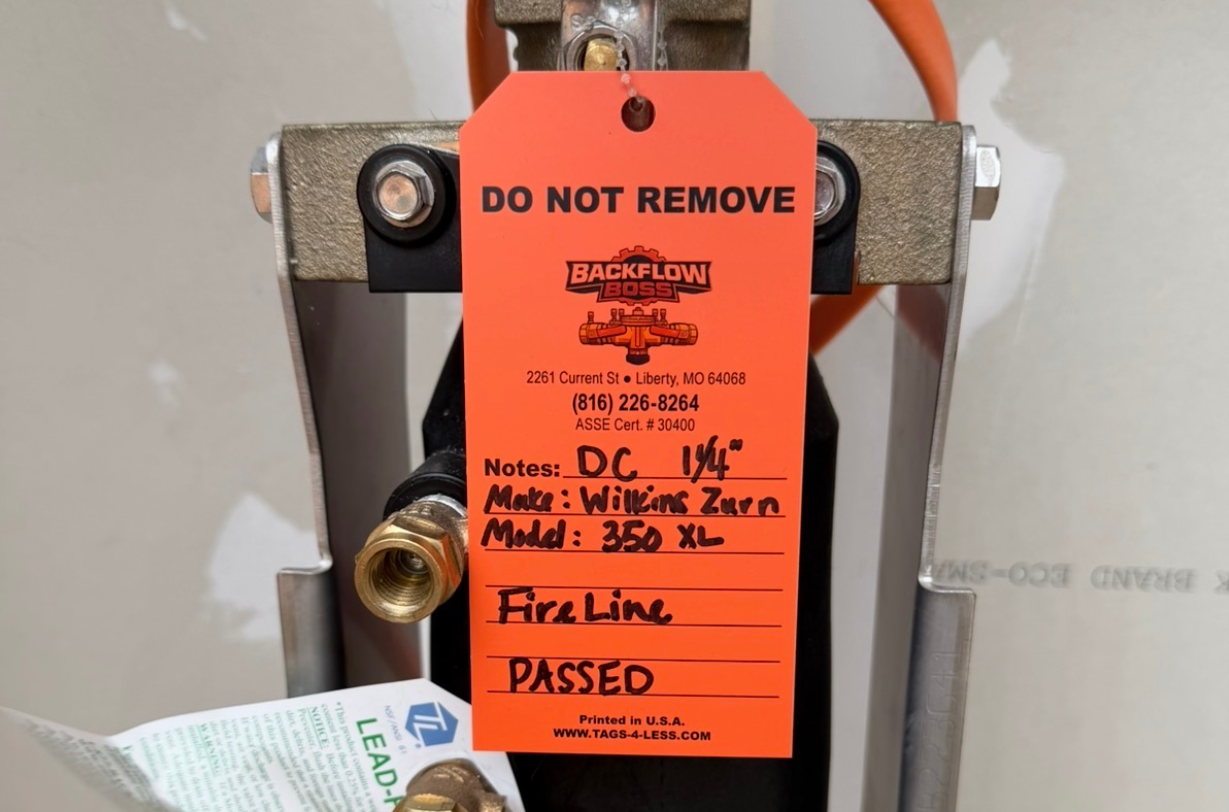
Because of this risk, backflow prevention devices are required and must be tested regularly to ensure proper operation.
-
Why Backflow Testing Is Required
Backflow testing requirements exist to protect public health and maintain the integrity of the potable water system. When backflow occurs, contaminants from private plumbing systems can enter the public water supply.
Local water authorities require backflow prevention devices on certain plumbing systems and mandate regular testing to verify proper operation.
These requirements are typically enforced through local cross-connection control programs and apply to many residential, commercial, and multi-family properties.
- Protects the public drinking water supply
- Reduces the risk of contamination events
- Ensures compliance with local and state regulations
- Provides documented verification of system protection